


Blog Details

Redefining B2B Commerce: Building the Intelligent, Buyer-Centric Enterprise

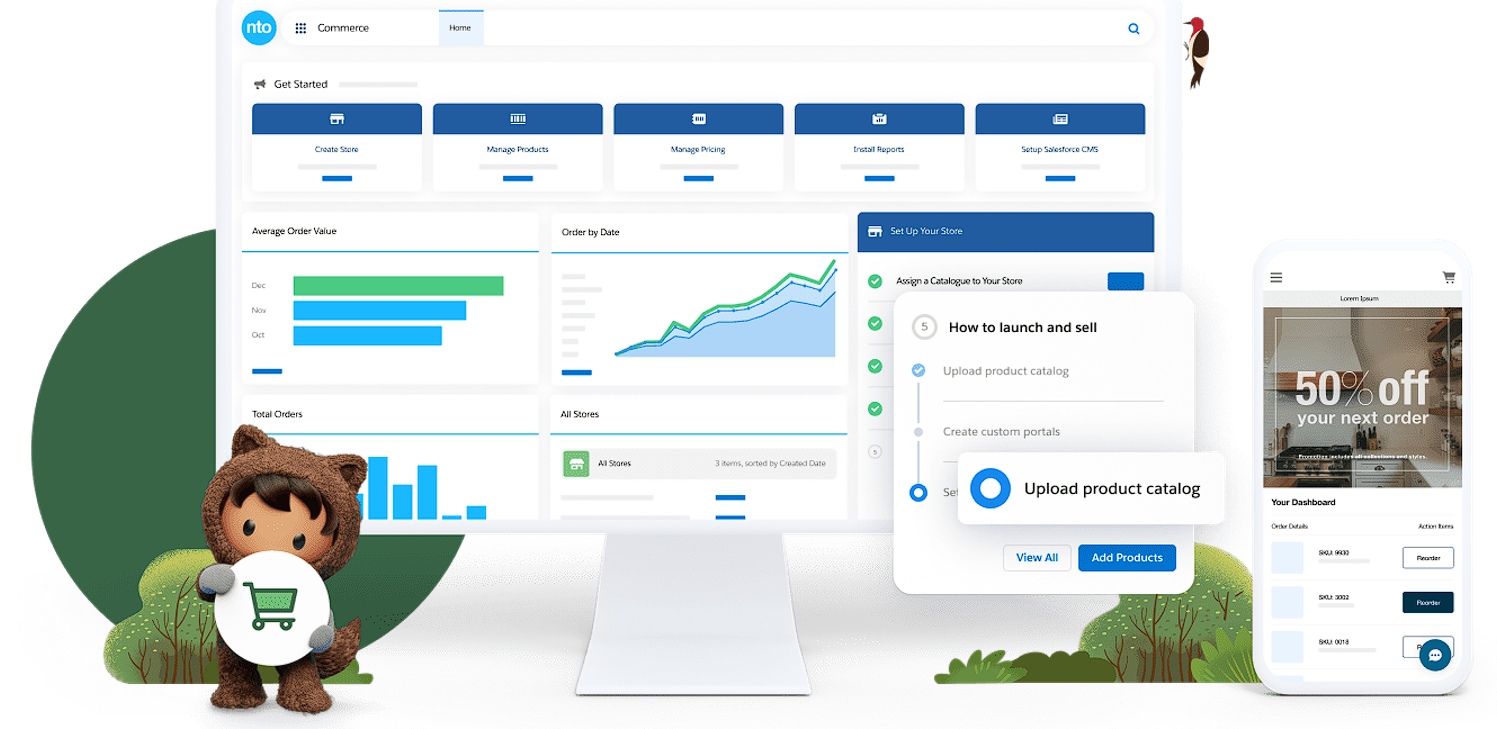
The next decade of commerce will not be defined by platforms alone; it will be defined by the intelligence woven into every transaction. The B2B buying landscape has undergone a fundamental shift, with business buyers now demanding the same frictionless, personalized, and self-service experiences they enjoy as consumers.
According to Salesforce research, B2B buyers prefer to research and purchase independently online, yet fewer than a third of organizations feel their digital commerce capabilities are truly ready to meet this demand.
To bridge this gap, enterprises are moving beyond simple digital storefronts toward unified commerce operating systems that connect catalogs, customers, and back-office data into a single, intelligent experience.
Why B2B Requires a Specialized Approach
Traditional B2C platforms often fall short when faced with the complexities of B2B transactions. Business purchases involve multi-tiered pricing, negotiated contract rates, custom catalogs per buyer group, bulk orders, and intricate approval workflows.
The Complete Revenue Lifecycle - All in One Place
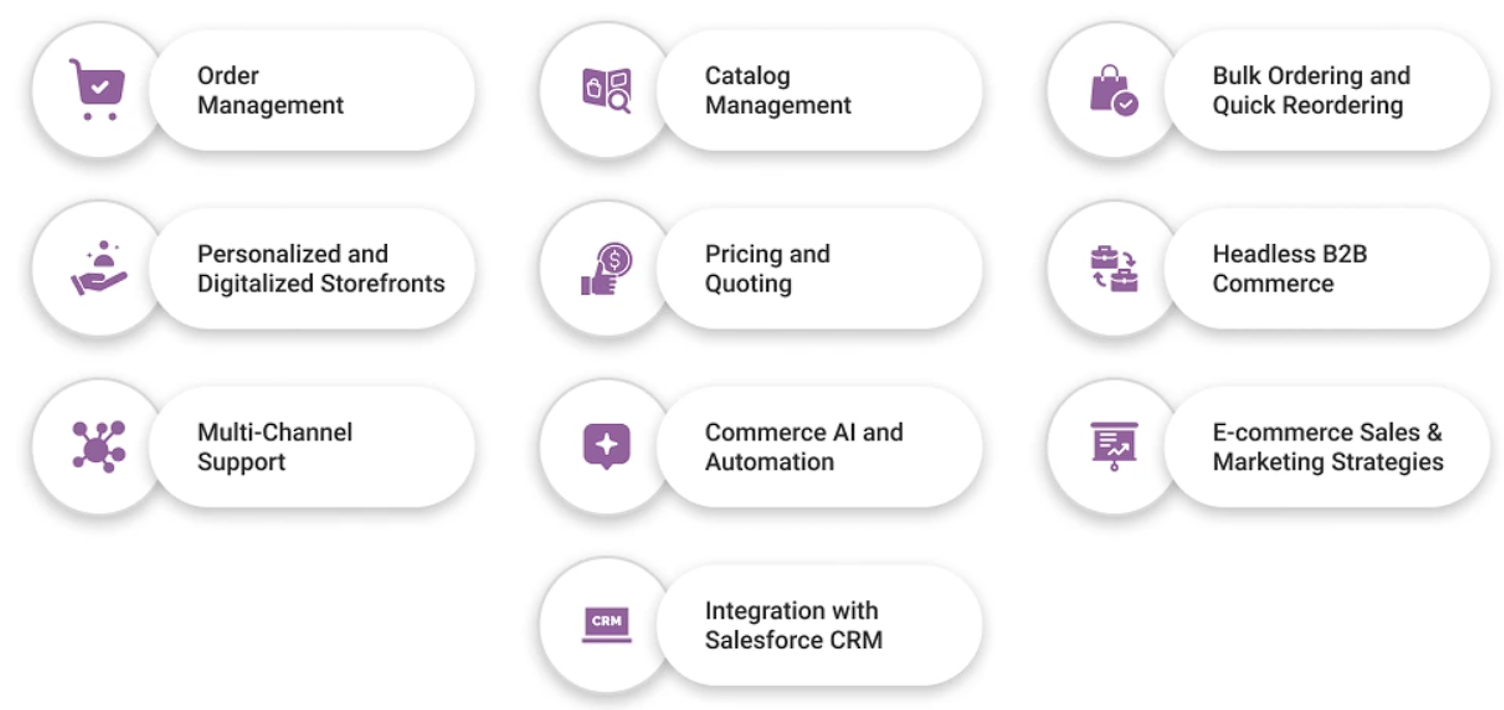
Here’s what the platform seamlessly connects:
- Product & Pricing Management: Centralized enterprise product catalog with dynamic pricing, rebates, and real-time rules.
- Configure, Price, Quote (CPQ): Intelligent, guided quoting with AI-generated recommendations and instant approvals.
- Contract Lifecycle Management: Automated contract creation, amendments, renewals, and compliance (ASC 606/IFRS 15 ready).
- Order & Fulfillment Management: Multi-order creation from a single quote, asset tracking, and seamless handoff to operations.
- Billing, Invoicing & Collections: Automated invoicing for every revenue model, consumption auditing, and revenue recognition.
- Revenue Lifecycle Intelligence: Real-time dashboards, forecasting, and AI-driven insights across the entire process.
Game-Changing Benefits for Modern Businesses
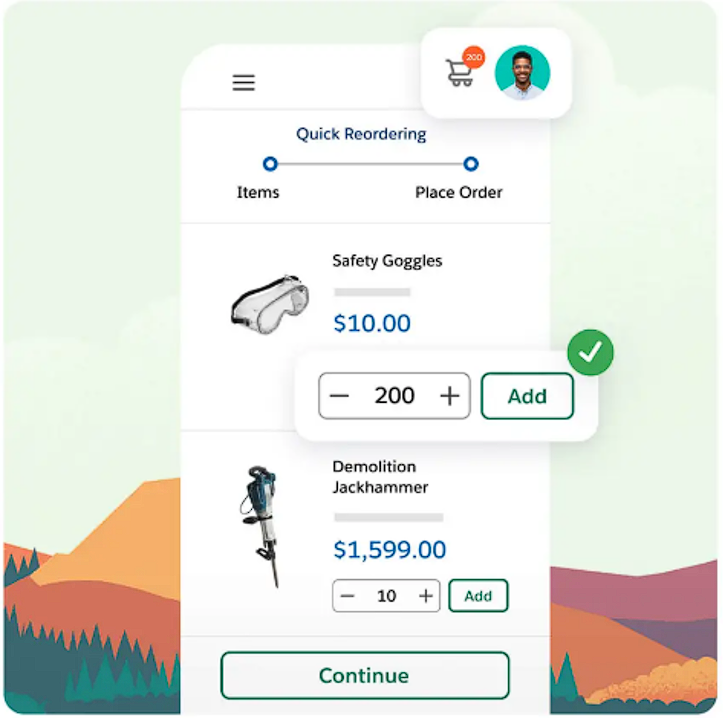
We are entering the era of Agentic Commerce, where AI doesn't just assist - it acts autonomously on behalf of buyers and sellers. At the forefront are intelligent agents that go far beyond traditional chatbots: they understand buyer-specific contracts and catalogs, honor pre-negotiated pricing, support reordering from past purchases, and help buyers discover products based on technical specifications rather than simple keywords.
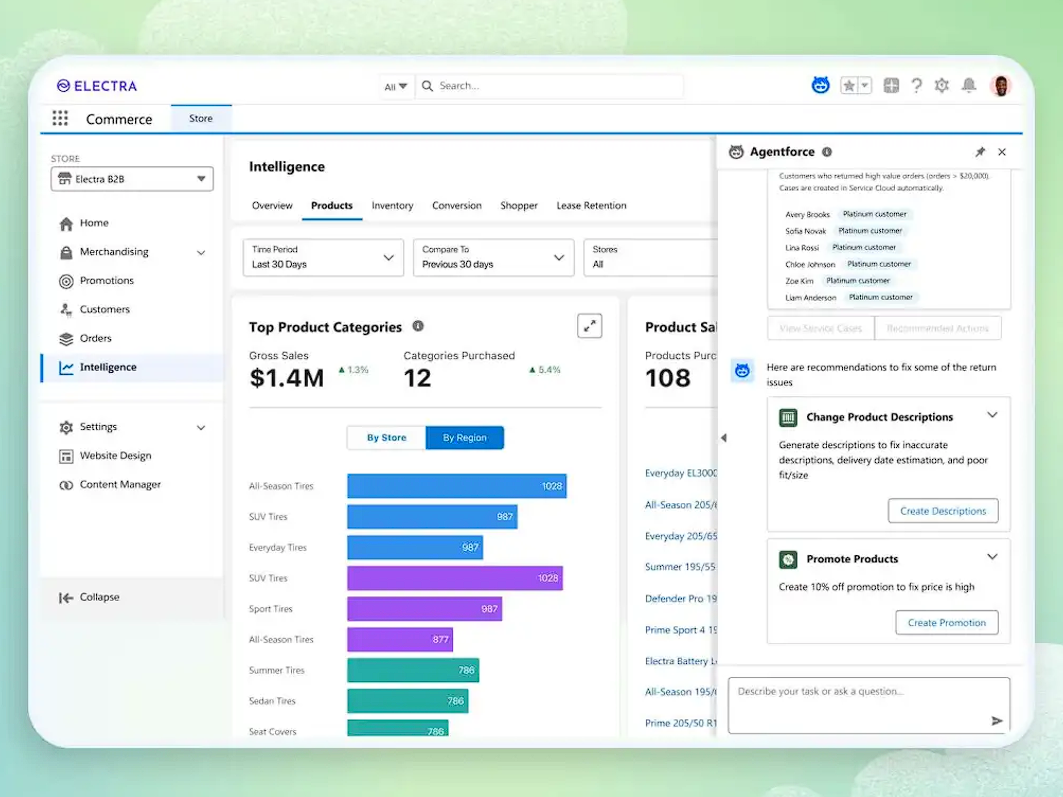
Complementing this is the Product Configurator, which empowers buyers to build complex, valid, and manufacturable orders directly in the storefront — eliminating back-and-forth calls and dramatically accelerating the path to purchase. For global operations, Agentforce Localization enables these AI agents to interact fluently in the buyer's preferred language and locale, delivering expert-level support at scale without requiring 24/7 global teams.
Additional Agentforce capabilities further enhance the experience: AI-driven merchandising that can set up branded stores in as little as 30 minutes (no-code), dynamic promotions (with over 200 types), real-time inventory and pricing updates, and intelligent order orchestration to reduce manual work.
The Business Case for Transformation
Investing in modern B2B commerce delivers clear, measurable returns. According to the Forrester Total Economic Impact™ study of Salesforce B2B Commerce, organizations see:
- Exceptional ROI: Up to 289% ROI, with a payback period of less than 6 months.
- Increased Margins: A 5-6 percentage point improvement in B2B sales margins through lower acquisition costs, reduced commissions on reorders, and more strategic use of sales resources.
- Operational Efficiency: Automation saves commerce and operations teams an average of 150 hours per year (with the composite organization in the study saving 18,000 hours over three years).
- Higher Customer Spending: Self-service customers spend up to +25% more annually, driven by easier access, personalized promotions, and broader product discovery.
These gains stem from shifting routine transactions to digital self-service, freeing sales teams to focus on high-value relationships and new market expansion.
The Power of a Unified Ecosystem
A major advantage is the seamless unification of Revenue Cloud and Commerce. Quoting, billing, subscriptions, contracts, and the storefront all operate from a single interoperable flow. This means buyers encounter consistent pricing, catalogs, and history whether they're shopping online, engaging with a sales rep, or interacting via service - eliminating silos across marketing, sales, and finance.
With native Data 360 connectivity, organizations gain real-time insights, AI-powered personalization, and over 30 unified reports to track performance, inventory risks, and churn.
Six Principles for Strategic Success
Technology alone does not create a competitive advantage; strategic deployment does. To maximize your investment, consider these core principles:
Real-World Transformation
Consider a manufacturer that traditionally relied on manual quotes and phone orders. By adopting a digital commerce strategy, their clients can now place bulk orders online 24/7, view negotiated prices instantly, and access real-time tracking.
Ready to elevate your B2B commerce strategy?
Our team specializes in tailoring Salesforce Commerce Cloud to meet complex business needs, ensuring your digital transformation delivers maximum impact. Send us a message if you want to know more!
book a demo

