


Blog Details

The Interoperability Challenge No One's Talking About: How MuleSoft Governs Your AI Agent Network

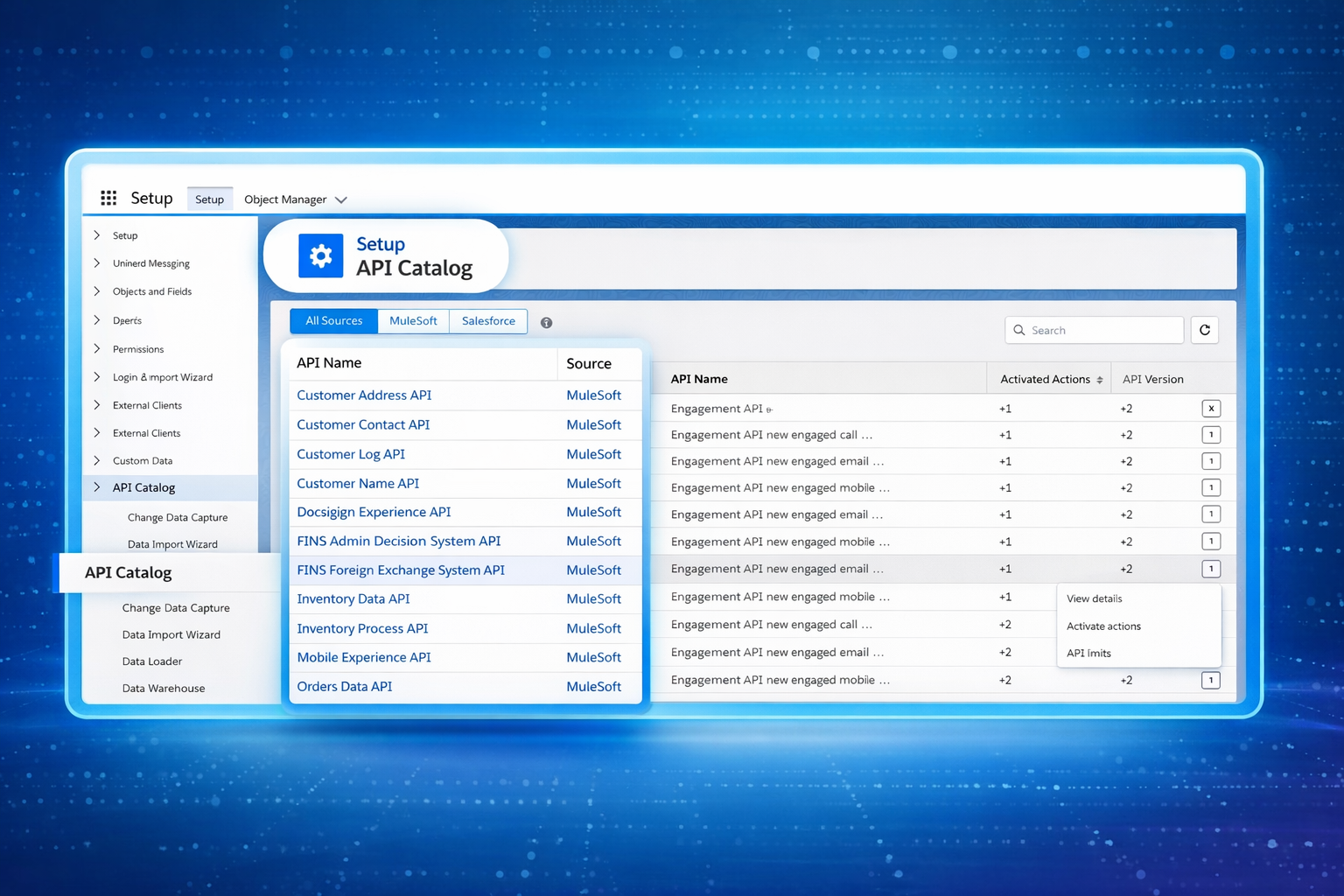
In the age of autonomous AI agents, integration has quietly become one of the most strategic decisions in the enterprise, APIs are no longer just connecting systems, they’re governing what AI can see, decide, and execute across your business. This article explores how MuleSoft is evolving into the control fabric that keeps this new AI ecosystem safe, governed, and interoperable.
The Questions Keeping CTO's Awake at Night
Your organization just deployed its third AI agent this month, one in Salesforce Agentforce, another in Microsoft Copilot Studio, and a custom GPT integration. They're all making autonomous decisions. But here's the question keeping CTOs awake at night...
Who's governing these agents? What data can they access? And how do you prevent your AI ecosystem from becoming an ungoverned shadow IT nightmare?
The answer isn't in your AI strategy it's in your integration architecture. As autonomous AI agents proliferate across enterprises, the conversation has shifted from "Should we adopt AI?" to "How do we ensure our AI agents don't create chaos?". The organizations winning this transition aren't just investing in better AI models, they're fundamentally reimagining their integration architecture to support an agentic future.
At Uni5 Consulting, we're working with forward-thinking organizations to build the foundational layer that makes safe, governed, productive AI possible:
AI-ready interoperability powered by MuleSoft.
The Integration Landscape Has Changed Forever
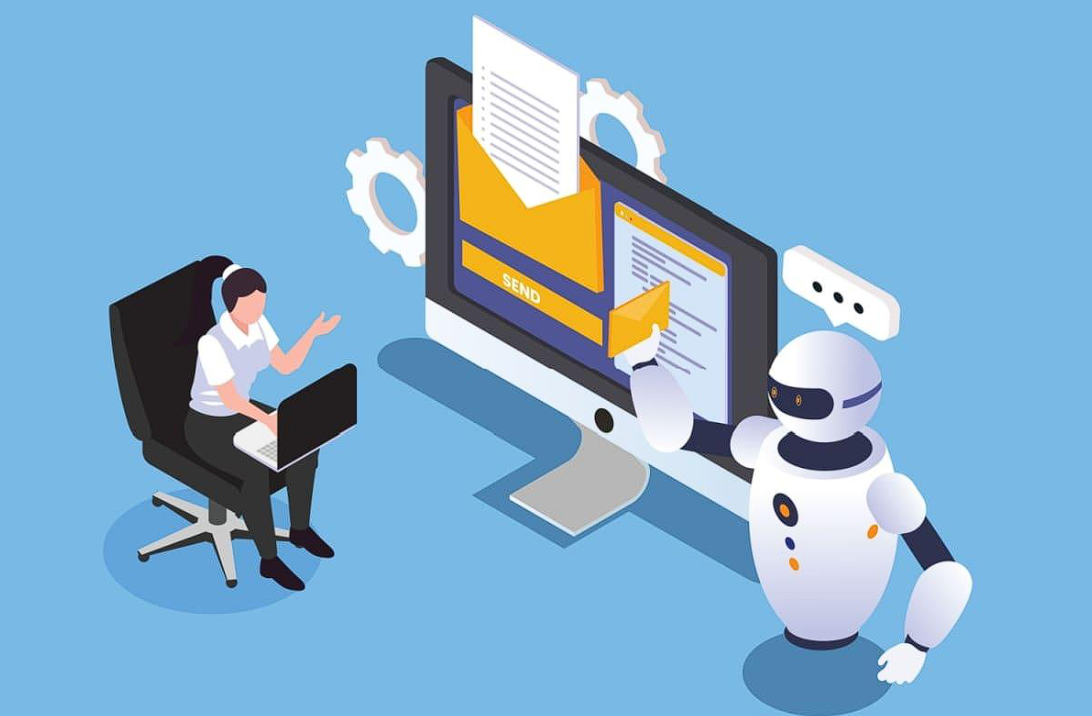
For decades, APIs served a clear purpose: connecting applications together. Your CRM talked to your ERP, your e-commerce platform synced with inventory management. Humans initiated these interactions through clicks, forms, and workflows, but that world is over.
Today, APIs aren't just responding to applications, they're fielding requests from AI agents making autonomous decisions across your entire tech stack. According to industry analysts,
30% of API demand growth in 2026 comes from AI and large language model tools [1].
These aren't simple query-and-response patterns. AI agents are:
- Discovering available capabilities across your enterprise
- Chaining multiple API calls to accomplish complex tasks
- Making contextual decisions about which systems to invoke
- Operating at scales and speeds that traditional API management wasn't designed to handle
Traditional integration platforms were built for predictable, human-initiated workflows. AI agents operate differently, unpredictably, autonomously, and at machine speed. This fundamental shift demands a new approach to interoperability.
Without proper governance, enterprises face:
- Shadow AI sprawl: Ungoverned agents accessing systems without oversight
- Data exposure risks: Agents inadvertently crossing compliance boundaries
- Integration chaos: Every team building point-to-point agent connections
- Observability blind spots: No visibility into what autonomous agents are doing
The question isn't whether your organization will adopt AI agents, it's whether your integration architecture can govern them safely and effectively.
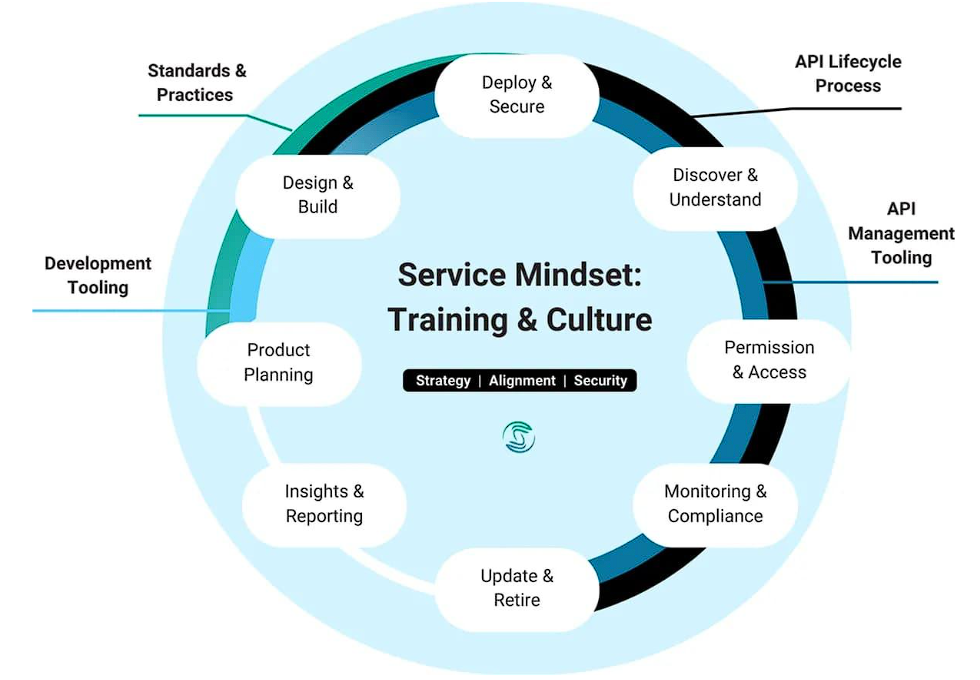
The Three Pillars of AI-Ready Interoperability
MuleSoft's evolution from integration platform to AI control fabric represents the most significant shift in enterprise architecture since cloud adoption. This transformation rests on three foundational pillars:
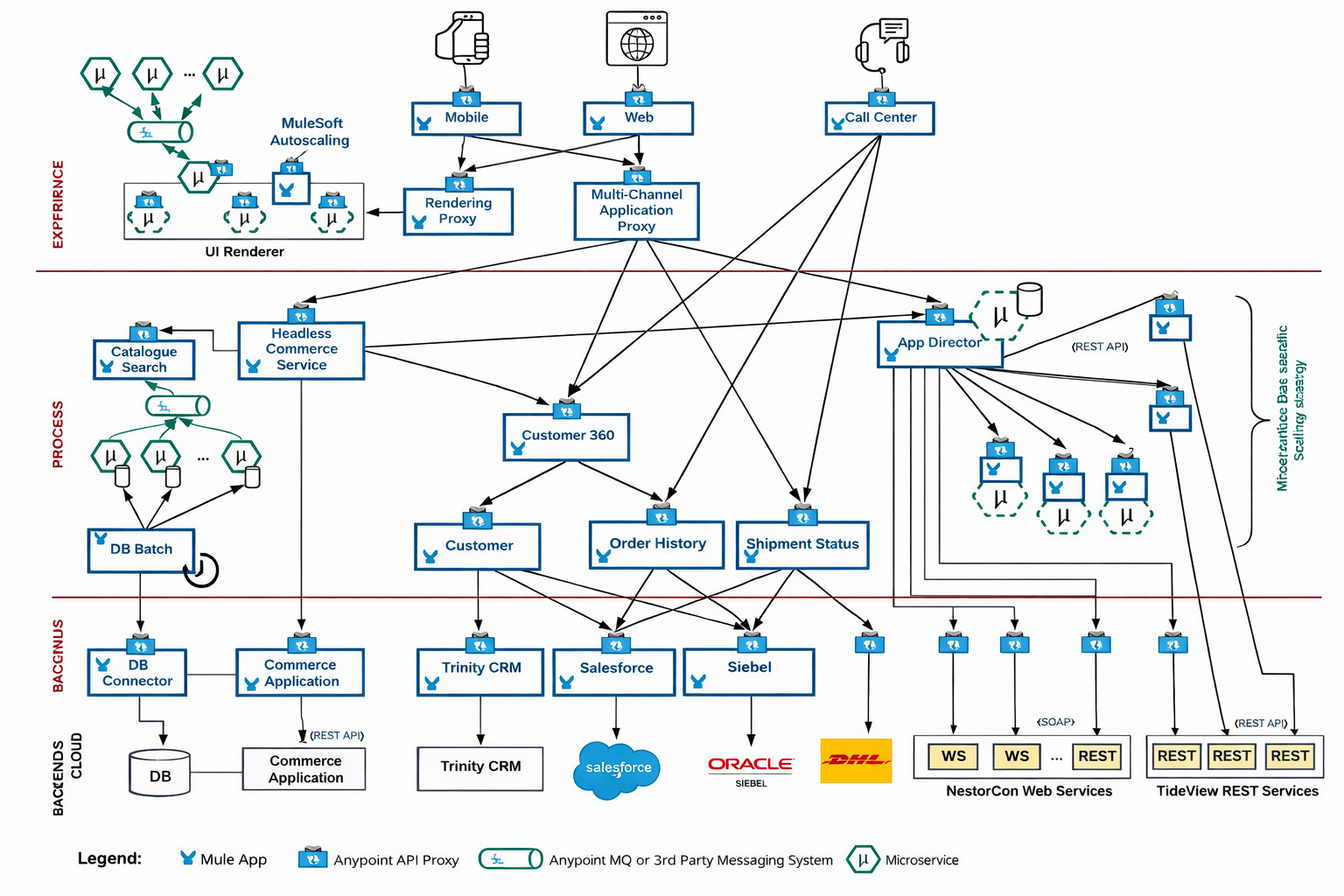
Pillar 1: Agent Discovery and Governance (MuleSoft Agent Fabric)
The first challenge in any agentic ecosystem is simply knowing what exists. As organizations deploy AI agents across Salesforce Agentforce, Amazon Bedrock, Google Vertex AI, Microsoft Copilot Studio, and custom implementations, the "agent sprawl" problem mirrors the shadow IT challenges of the early cloud era [2].
MuleSoft Agent Fabric addresses this through:
- Automated Agent Scanners: Continuously discover AI agents across your entire enterprise technology landscape
- Unified Agent Registry: Single source of truth cataloging every agentic asset, its capabilities, and governance policies
- Policy Enforcement: Define and enforce rules about what data agents can access, which systems they can invoke, and under what conditions
- Observability: Real-time monitoring of agent behavior, API consumption patterns, and anomaly detection
Real-world impact:
One European financial services client discovered 47 AI agents operating across their organization, 23 of which IT had no knowledge of. Agent Fabric brought them under central governance within weeks, preventing potential compliance violations.
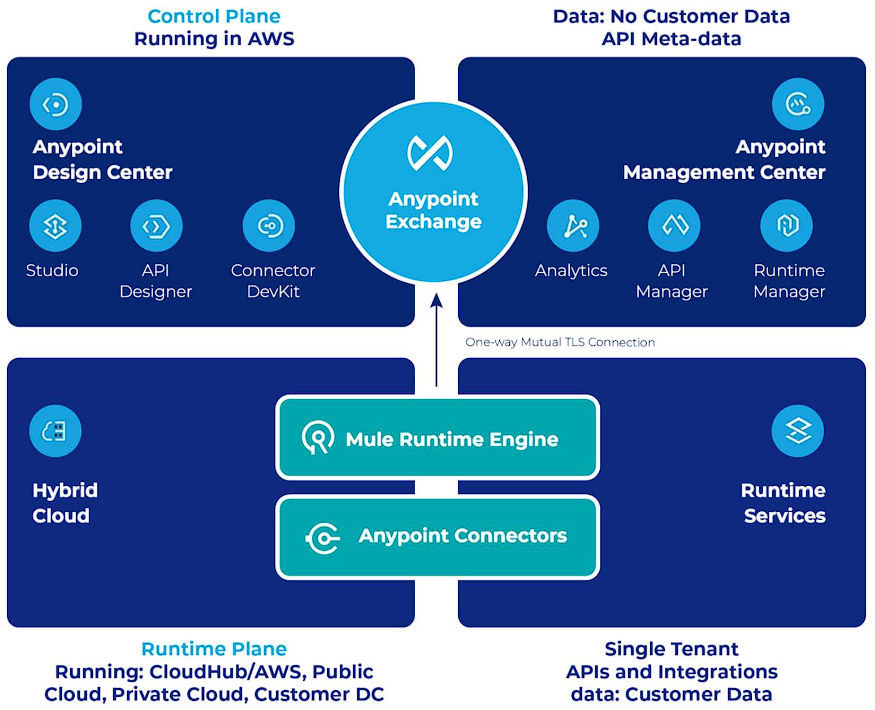
Pillar 2: Intelligent API Exposure (Model Context Protocol Support)
Not all APIs are created equal when it comes to AI consumption. An API designed for human-initiated workflows often lacks the semantic metadata AI agents need to understand how and when to invoke it correctly.
MuleSoft's support for Model Context Protocol (MCP), the emerging open standard for AI-to-API communication, transforms traditional APIs into "AI-consumable capabilities" [3][4].
With MCP, your APIs provide:
Not all APIs are created equal when it comes to AI consumption. An API designed for human-initiated workflows often lacks the semantic metadata AI agents need to understand how and when to invoke it correctly.
MuleSoft's support for Model Context Protocol (MCP), the emerging open standard for AI-to-API communication, transforms traditional APIs into "AI-consumable capabilities" [3][4]. With MCP, your APIs provide:
- Structured capability descriptions: What the API does, what inputs it expects, what outputs it returns
- Contextual metadata: When to use this API, prerequisites, business rules
- Safe invocation patterns: Rate limits, authentication requirements, error handling guidance
- Semantic relationships: How this API relates to other capabilities in your ecosystem
- Structured capability descriptions: What the API does, what inputs it expects, what outputs it returns
- Contextual metadata: When to use this API, prerequisites, business rules
- Safe invocation patterns: Rate limits, authentication requirements, error handling guidance
- Semantic relationships: How this API relates to other capabilities in your ecosystem
Think of MCP as translating your enterprise capabilities into a language AI agents naturally understand, enabling autonomous discovery and safe invocation without custom integration code for every agent.
Pillar 3: AI-Native Development (MuleSoft Vibes)
Building integrations has historically required specialized technical skills and deep understanding of API specifications, data transformation logic, and error handling patterns. This creates bottlenecks when organizations need to rapidly expose capabilities to AI agents.
MuleSoft Vibes democratizes integration development through natural language [2]:
- Engineers describe integration requirements in plain language
- AI generates production-ready integration code, 60% higher quality than generic large language models
- Code is grounded in enterprise context: your existing APIs, data models, security policies
- Accelerates delivery while maintaining governance and best practices
Why this matters:
Organizations can now expose legacy systems to AI agents in days instead of months. A Portuguese public sector client used Vibes to create MCP-ready endpoints for a 15-year-old permitting system, enabling Agentforce agents to provision services without touching the legacy interface.
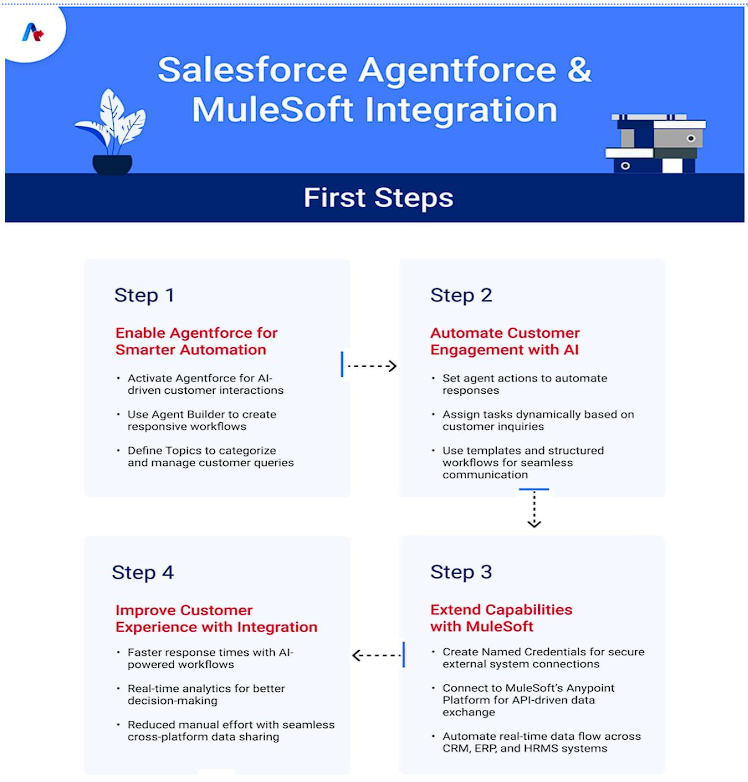
Real-World Use Case Your Organization Needs to Know
The true value of AI-ready interoperability emerges when we examine specific industry applications. Here are four scenarios demonstrating how MuleSoft-governed agent networks transform business operations:
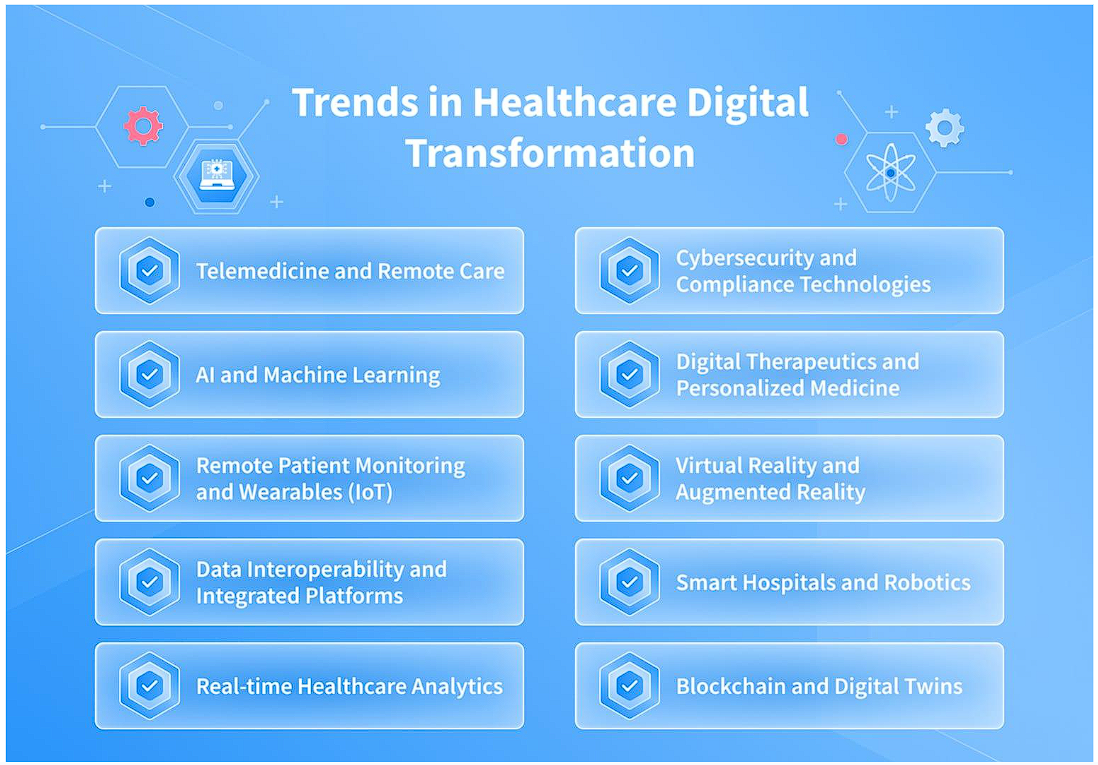
Use Case 1: Healthcare - AI-Enabled Customer 360
The Challenge:
Healthcare organizations manage patient information across fragmented systems, Electronic Health Records (EHR), laboratory information systems, billing platforms, appointment scheduling, care team communication tools. Creating a unified patient view requires complex integrations, and enabling AI agents to access this data safely requires bulletproof governance.
The Solution:
MuleSoft provides the interoperability layer connecting disparate healthcare systems, exposing unified patient data through MCP-ready APIs. Salesforce Agentforce agents can now:
- Access comprehensive patient histories across all systems
- Autonomously route patients to appropriate care teams based on medical history, insurance coverage, and availability
- Create appointments, send reminders, and coordinate care team notifications
- Surface relevant medical information to clinicians at the point of care
All while maintaining GDPR compliance and healthcare data protection regulations [5].
This is exactly the kind of seamless patient experience healthcare organizations need as they modernize. But it requires bulletproof integration architecture that balances innovation with regulatory compliance, an area where many digital transformation initiatives fail.
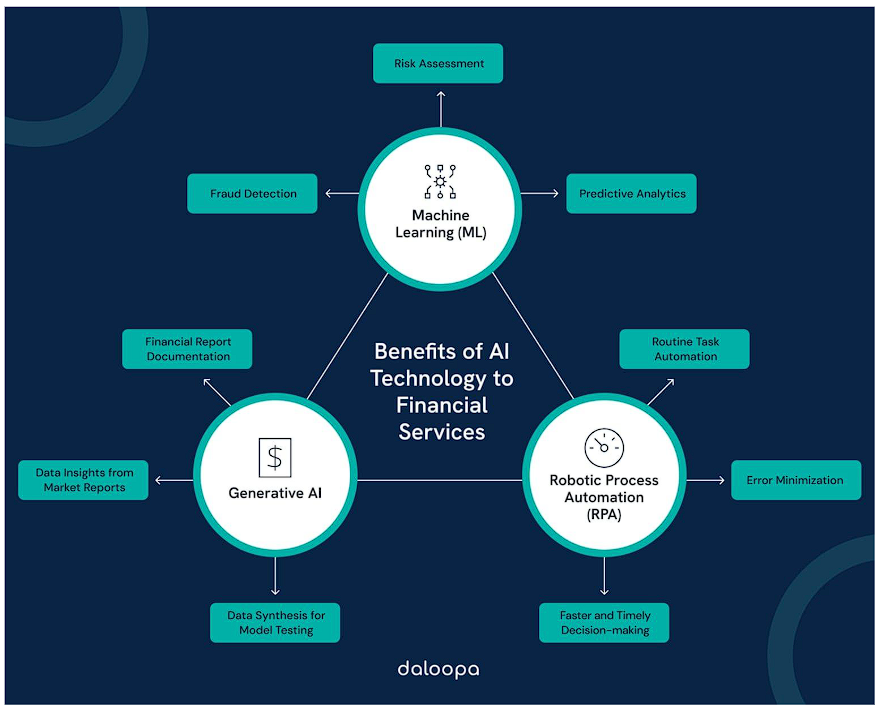
Use Case 2: Financial Services - Agentic Order-to-Cash
The Challenge:
Traditional order-to-cash processes involve multiple departments, systems, and approval workflows. Human bottlenecks create delays, errors, and customer frustration. Yet financial services organizations can't sacrifice control or auditability for speed.
The Solution:
Multi-agent workflows orchestrated through MuleSoft's governance layer [5]:
- Verification Agent: Validates customer creditworthiness by accessing credit scoring systems, payment history, and risk assessment tools
- Execution Agent: Processes approved orders by coordinating inventory, logistics, and fulfillment systems
- Operations Agent: Monitors delivery status, handles exceptions, coordinates with warehouse and shipping partners
- Finance Agent: Manages invoicing, payment processing, and accounts receivable updates
These agents coordinate through standardized protocols (MCP and Agent-to-Agent communication), with
human oversight only for exceptions that fall outside defined parameters.
Business Impact:
One financial services client reduced order-to-cash cycle time by 68% while improving accuracy and maintaining full audit trails.
Imagine automating your entire order-to-cash process with AI agents managing each step, escalating only true exceptions to humans. This is where Salesforce + MuleSoft + Agentforce converge to deliver measurable business value.
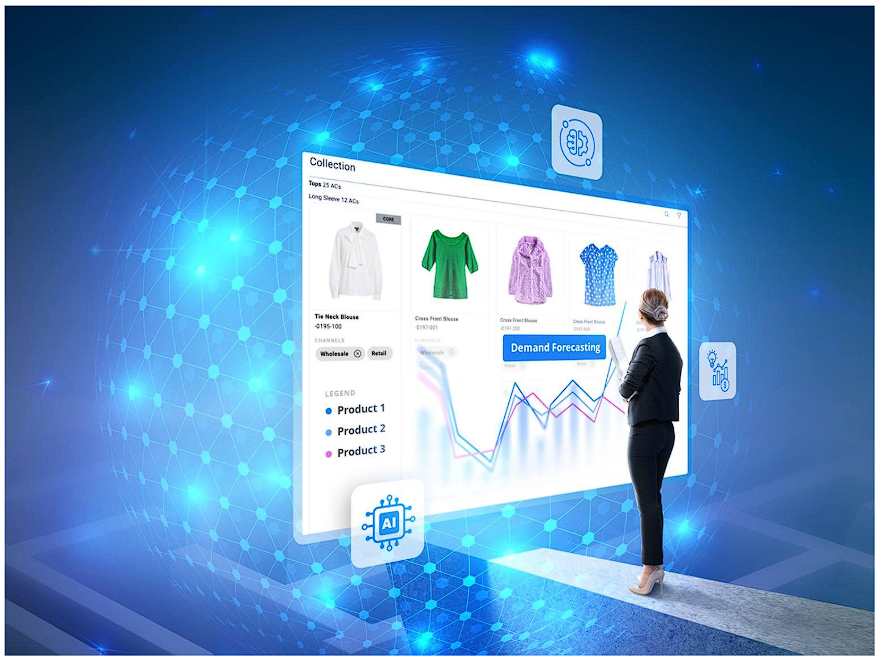
Use Case 3: Retail - Autonomous Demand Prediction
The Challenge:
Retail operates on razor-thin margins where inventory optimization directly impacts profitability. Traditional demand forecasting relies on historical data analysis with human decision-making, slow, reactive, and often inaccurate during market shifts.
The Solution:
MuleSoft enables real-time data aggregation from point-of-sale systems, inventory management, pricing engines, competitor intelligence, weather data, and market trend signals. AI agents continuously:
- Analyze demand patterns across channels and geographies
- Automatically adjust pricing to optimize revenue and inventory turnover
- Execute promotional campaigns based on predicted demand and inventory levels
- Generate purchase orders and coordinate with suppliers
- Optimize fulfillment routing to minimize costs and delivery times
No human bottlenecks, agents make autonomous decisions within governance guardrails, with observability ensuring transparency [5].
For retailers competing in tight margins, autonomous decision-making powered by unified data isn't future-thinking, it's survival. We're helping retail clients transform from reactive inventory management to predictive, AI-driven operations.
Use Case 4: Legacy Modernization Without Rip-and-Replace
The Challenge:
Many enterprises and public sector organizations operate critical business functions on legacy systems that are decades old. Complete replacement is prohibitively expensive, risky, and disruptive. Yet these systems must participate in modern AI-driven workflows.
The Solution:
MuleSoft creates abstraction layers that expose legacy system capabilities as modern REST APIs and MCP servers, without modifying the legacy applications themselves [5]:
- 20-year-old mainframe systems become AI-consumable capabilities
- Agents can provision services, validate orders, and retrieve information without navigating legacy interfaces
- Business logic remains in the proven legacy system while user experience moves to modern channels
- Gradual modernization becomes possible, replace components over time while maintaining continuity
This is the conversation we should be having with every public sector client. Modernization doesn't mean replacement. We can make legacy systems participate in AI-driven government services while maintaining stability and managing risk. For organizations managing aging infrastructure, this is the pragmatic path to digital transformation.
Why Organizations Can't Ignore This
While AI-ready interoperability is a global imperative, organizations face unique pressures:
GDPR and AI Act Compliance:
The EU's AI Act creates stricter requirements for AI systems than most global frameworks. AI agents accessing personal data must operate within clear governance boundaries, exactly what MuleSoft's Agent Fabric provides. With MuleSoft, governance is built into the architecture from day one.
Multi-Cloud Hybrid Reality:
Most Portuguese enterprises run hybrid environments, on-premises legacy systems alongside AWS, Azure, and Google Cloud. MuleSoft provides the interoperability fabric that spans these boundaries under unified governance.
Technical Talent Gaps:
Organizations faces technical talent shortages in specialized integration engineering. MuleSoft Vibes democratizes integration development, enabling teams to build production-ready integrations using natural language, accelerating delivery while making integration accessible to broader technical teams.
Digital Sovereignty:
Organizations increasingly prioritize digital sovereignty. MuleSoft's API-led approach creates abstraction layers that prevent vendor lock-in while maintaining control over integration logic regardless of underlying systems.
The Integration Imperative
The agentic AI revolution isn't coming, it's here. Salesforce Agentforce, Microsoft Copilot agents, Google Vertex AI agents, and custom AI workflows are already making autonomous decisions in enterprises worldwide.
The question isn't whether your organization will adopt AI agents. The question is whether your integration architecture can govern them safely, effectively, and at scale.
MuleSoft's evolution from integration platform to AI control fabric represents the most significant shift in enterprise architecture since cloud adoption. Organizations that master AI-ready interoperability now will lead their industries through the next decade. Those that don't will struggle with:
- Shadow AI proliferation without governance
- Data exposure and compliance failures
- Integration chaos as every team builds point solutions
- Missed opportunities to leverage AI for competitive advantage
The bridge to AI-powered business isn't built with models alone, it's built with intelligent, governed, observable APIs.
At Uni5 Consulting, we help organizations build that bridge. We bring deep expertise in MuleSoft, Salesforce, and enterprise AI integration, combined with local market understanding and a pragmatic, value-focused approach.
The agentic future is being built today. The question is: Will your organization lead it, or struggle to keep up?
Let's build your AI-ready integration architecture together.
References
[1] Neosalpha. (2026). API Trends in 2026: Integration Endpoints to AI Control.
https://neosalpha.com/top-api-trends-to-watch/
[2] MuleSoft. (2026, January 29). What's Next for MuleSoft: Q1 2026 Product Roadmap. MuleSoft Blog.
https://blogs.mulesoft.com/news/mulesoft-q1-2026-product-roadmap/
[3] MuleSoft. (2026). MuleSoft: Integration and Automation for the AI Era.
[4] Ksolves. (2026, January 14). Future of MuleSoft: Integration Trends to Watch in 2026.
https://www.ksolves.com/blog/salesforce/mulesoft-integration-trends
[5] Algoworks. (2025, December 17). Salesforce MuleSoft Integration: 7 Use Cases for Automation.
https://www.algoworks.com/blog/salesforce-mulesoft-integration-use-cases/
book a demo

